What is the Keto Diet?
The keto diet is a high-fat, low-carbohydrate diet that is designed to put your body into a state of ketosis. Ketosis is a metabolic state in which your body burns fat for fuel instead of carbohydrates. By drastically reducing your carbohydrate intake and increasing your fat intake, the keto diet forces your body to use stored fat for energy, resulting in weight loss.
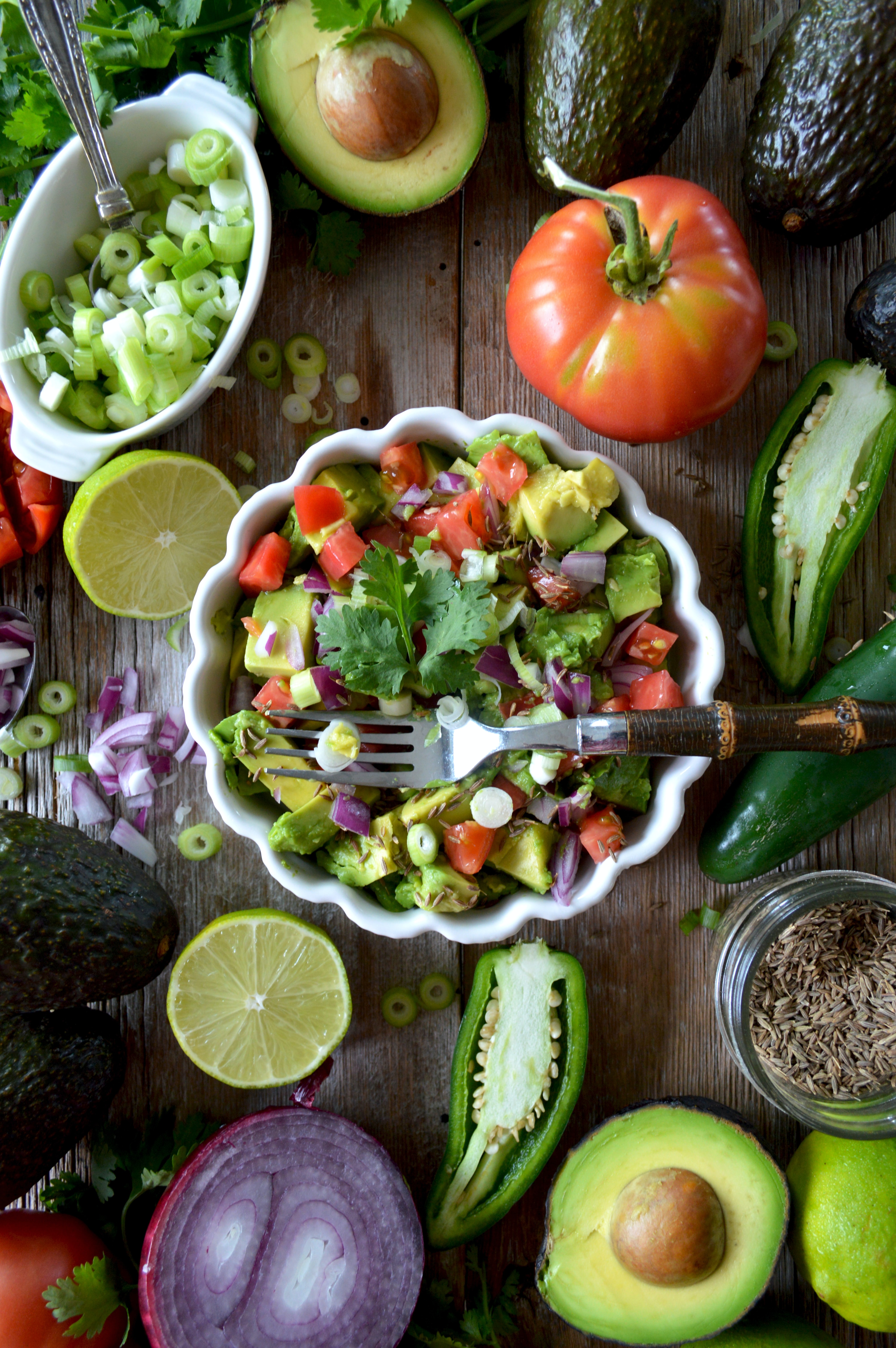
The typical macronutrient breakdown for the keto diet is 70-75% fat, 20-25% protein, and 5-10% carbohydrates. This means that you will be eating plenty of healthy fats, such as avocado, nuts, and olive oil, along with moderate amounts of protein and very few carbohydrates.
The keto diet has been shown to have several potential health benefits, including weight loss, improved blood sugar control, and reduced inflammation. However, it's important to note that the diet may not be appropriate for everyone, especially those with certain underlying health conditions.
What You Need to Know Before You Try It?
- Consult with your healthcare provider: Before starting any new diet, it's always a good idea to consult with your healthcare provider, especially if you have any underlying health conditions. Your provider can help you determine if the keto diet is safe for you and provide guidance on how to follow it correctly.
- Do your research: It's important to understand the basics of the keto diet before trying it. This includes understanding which foods are allowed and which are restricted, as well as the potential benefits and risks of the diet.
- Plan your meals: Following the keto diet requires careful planning and preparation. Before starting, take the time to plan out your meals and snacks for the week, making sure to include plenty of healthy fats, moderate protein, and low-carbohydrate vegetables.
- Stock up on keto-friendly foods: To make sticking to the keto diet easier, it's important to stock up on keto-friendly foods. This includes healthy fats such as avocado, nuts, and olive oil, as well as low-carbohydrate vegetables like leafy greens and broccoli.
- Consider tracking your macros: To ensure that you are following the keto diet correctly and getting the right balance of macronutrients, you may want to consider tracking your macros using a food diary or a mobile app.
- Be aware of potential side effects: The keto diet can cause some side effects, especially in the first few weeks, as your body adjusts to the new way of eating. These may include fatigue, headaches, and digestive issues.
- Start slowly: If you're new to the keto diet, it's important to start slowly and gradually reduce your carbohydrate intake over time. This can help minimize the potential side effects and make it easier to stick to the diet long-term.
In conclusion, the keto diet can be an effective way to improve your health and reach your weight loss goals. However, it's important to take the time to prepare properly and consult with your healthcare provider before trying it. By doing so, you can ensure that you are following the diet safely and effectively.
'Fit and Fabulous Body' 카테고리의 다른 글
| Intermittent Fasting: Can It Help You Lose Weight and Improve Your Health? (0) | 2023.03.18 |
|---|---|
| How to Build Muscle on a Vegan Diet? (0) | 2023.03.09 |
| Gluten-Free Diets: Are They Necessary for Everyone? (0) | 2023.03.07 |
| 10 tips to stay in shape in everyday life (0) | 2023.03.04 |
| 10 Surprising Effects of the Carnivore Diet (0) | 2023.03.04 |


댓글