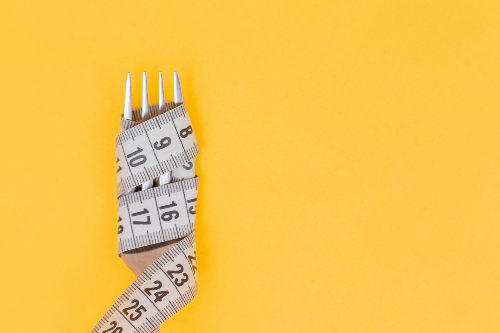
What is Intermittent fasting?
Intermittent fasting is a dietary approach that involves alternating periods of fasting (abstaining from food) and eating. There are several different methods of intermittent fasting, but the most common involves fasting for 16-24 hours and then eating all meals within a specific window of time, usually 8-10 hours. During the fasting period, only water, black coffee, or other non-caloric beverages are allowed.
Intermittent Fasting: The Pros and Cons
Intermittent fasting has become a popular approach to weight loss and improved health in recent years. But like any diet or lifestyle change, there are both pros and cons to consider before deciding if it's the right choice for you. In this blog, we'll explore the potential benefits and drawbacks of intermittent fasting.
Pros:
- Weight loss: Intermittent fasting can help people lose weight by reducing calorie intake. By limiting the window of time during which you eat, you may naturally eat fewer calories overall. Studies have shown that intermittent fasting can be as effective as traditional calorie-restricted diets for weight loss.
- Improved blood sugar control: Intermittent fasting has been shown to improve insulin sensitivity and lower blood sugar levels, which can help reduce the risk of developing type 2 diabetes.
- Reduced inflammation: Chronic inflammation has been linked to a variety of health problems, including heart disease and cancer. Some research suggests that intermittent fasting may help reduce inflammation in the body.
- Improved brain function: Some studies have shown that intermittent fasting may improve cognitive function and protect against age-related decline in brain function.
Cons:
- Hunger: Restricting your eating window can be challenging and may lead to hunger pangs and cravings, especially in the beginning. This can make it difficult to stick to the diet long-term.
- Risk of binge eating: Some people may find that the restrictive nature of intermittent fasting leads to binge eating during the eating window. This can undo any progress made during the fasting period and lead to weight gain.
- Risk of nutrient deficiencies: Intermittent fasting may make it more difficult to consume all the necessary nutrients the body needs. This is especially true for those who follow very strict fasting schedules or have pre-existing nutrient deficiencies.
- Not suitable for everyone: Intermittent fasting is not recommended for pregnant or breastfeeding women, children, people with eating disorders, or those with certain medical conditions.
In conclusion, intermittent fasting can be a useful tool for weight loss and improved health, but it's not without its potential drawbacks. Before starting any new diet or lifestyle change, it's important to consult with a healthcare professional to determine if it's the right choice for you. Additionally, it's important to focus on consuming nutrient-dense foods during the eating window to ensure you're getting all the necessary vitamins and minerals.
'Fit and Fabulous Body' 카테고리의 다른 글
| Gluten-Free Diets: Are They Necessary for Everyone? (0) | 2023.03.07 |
|---|---|
| 10 tips to stay in shape in everyday life (0) | 2023.03.04 |
| 10 Surprising Effects of the Carnivore Diet (0) | 2023.03.04 |
| How to Eat Healthy on a Budget? (0) | 2023.03.03 |
| Do you know about the famous Carnivore Diet? (0) | 2023.03.02 |


댓글